
Destination Guide
When surfing in Morocco, you can expect – warm sun, consistent swell, and a laid-back lifestyle rooted in both Berber and beach culture. From the famous right-handers of Taghazout to the mellow waves of Imsouane, here’s where to base yourself for the perfect Morocco surf trip.
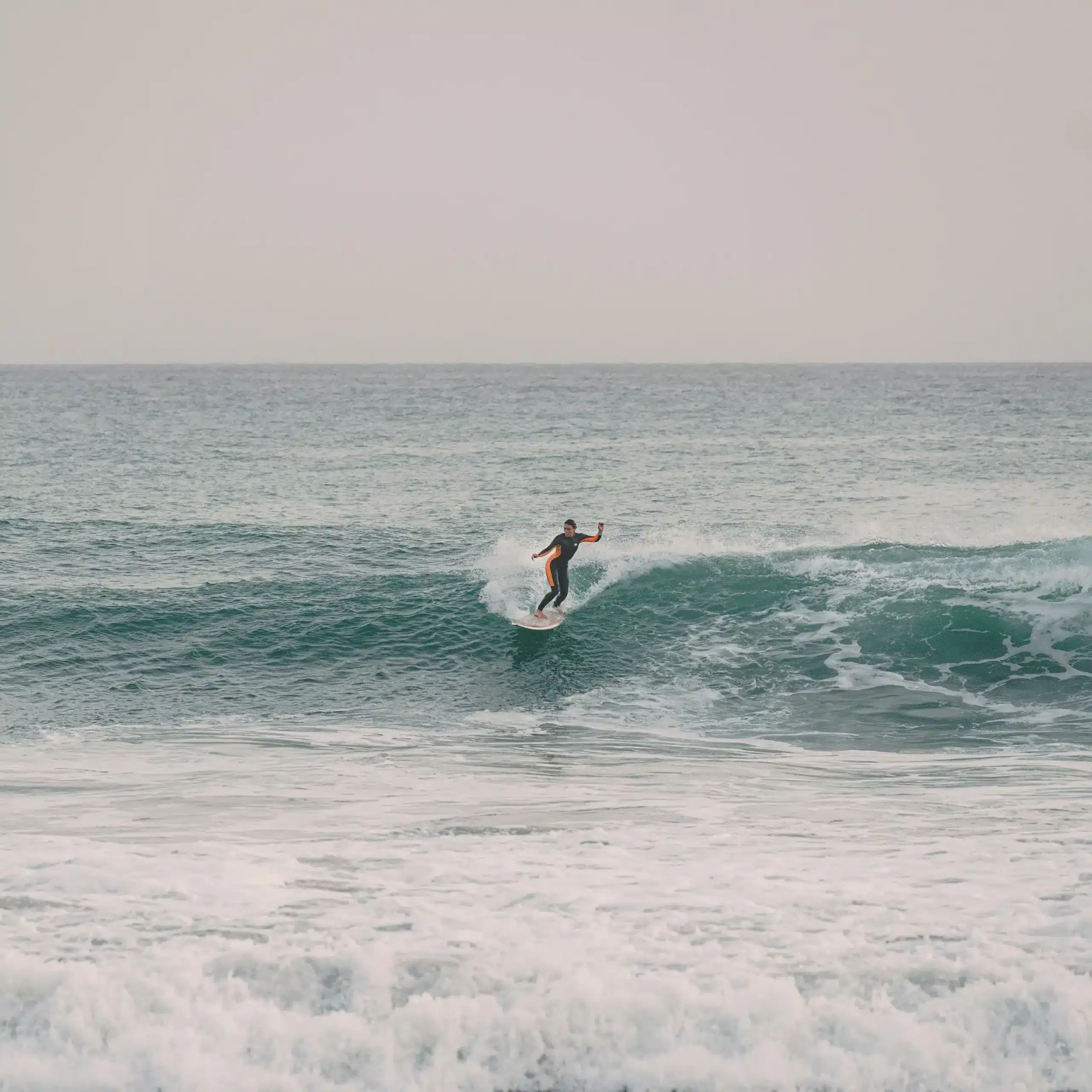
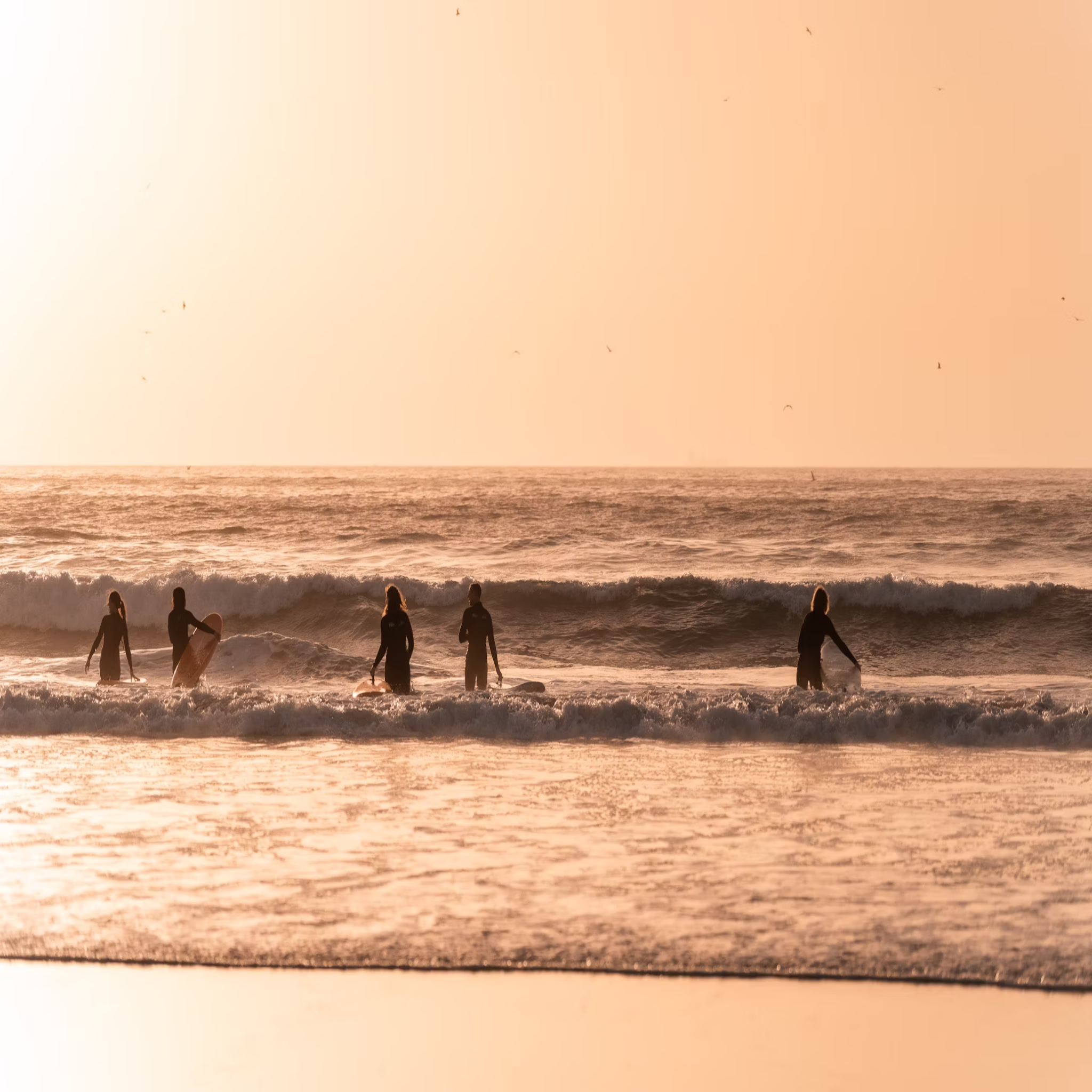
Once a sleepy fishing village, Taghazout is now the beating heart of Moroccan surf culture. The town buzzes with energy: surf shops, cafés serving smoothie bowls, and golden sunsets over the Atlantic.
Why stay here: You’ll be within minutes of Morocco’s best point breaks – Anchor Point, Panorama’s, and Devil’s Rock – offering something for every level.
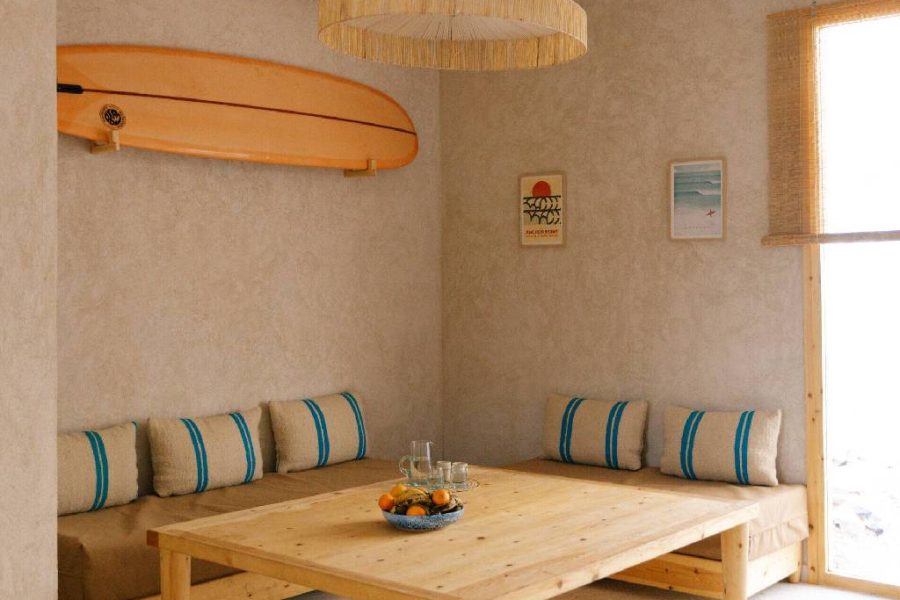
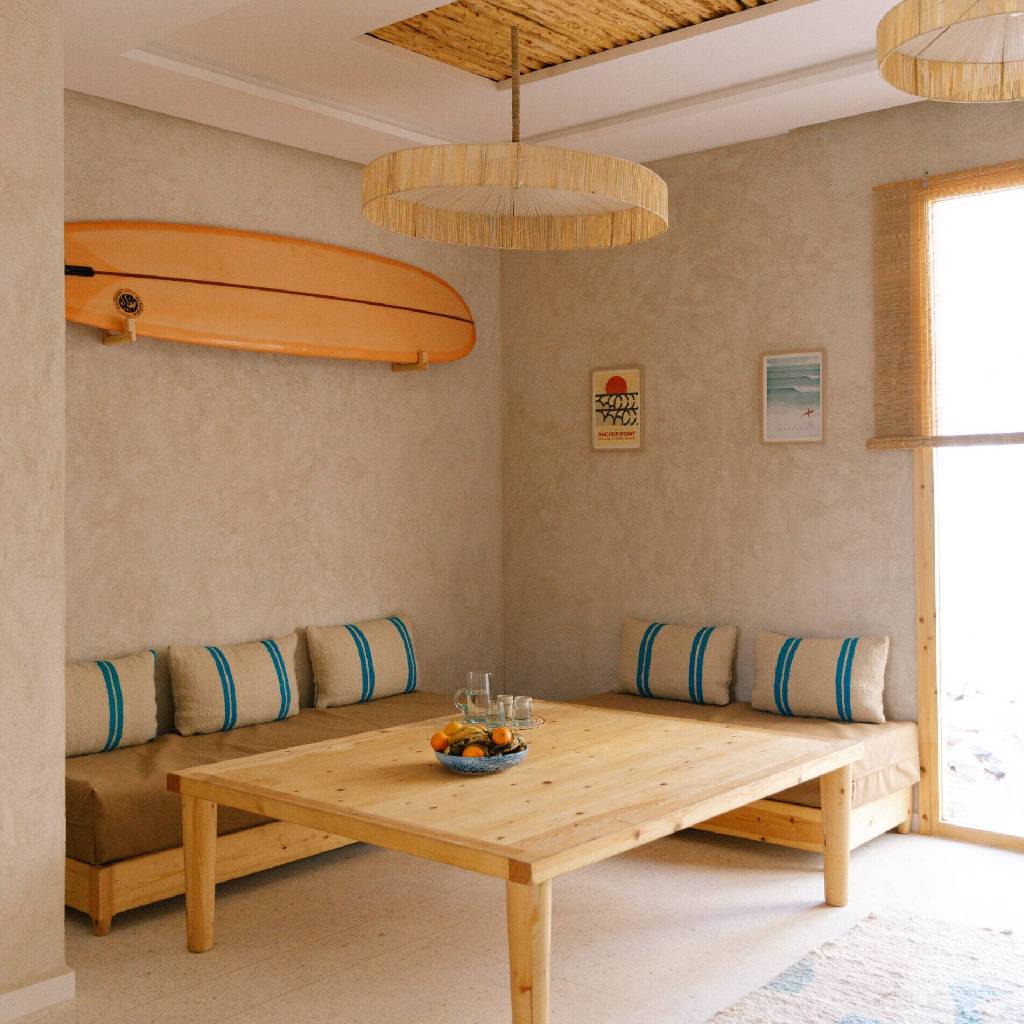
Just 10 minutes south of Taghazout, Aourir (nicknamed Banana Village) is a quieter alternative – perfect if you want to stay close to the waves but away from the crowds. Here you can beautiful Malibu Surf House.
Why stay here: You’re minutes from breaks like Banana Point and K12, both mellow right-handers ideal for intermediates. Plus, the local souk and market give you an authentic Moroccan experience.
Tucked away between cliffs and fishing boats, Imsouane is legendary for The Bay, one of the longest right-hand waves in Africa.
Why stay here: This is the spot for cruisy, endless rides and relaxed surf days. Perfect for longboarders or anyone chasing that meditative, easy glide.
A blend of surf and soul, Essaouira is a historic port city with a UNESCO-listed medina and a creative spirit. It’s a favorite for surfers who want more than just waves – here, culture meets coast.
Why stay here: The beach break in Essaouira Bay is perfect for learners, while nearby Sidi Kaouki (25 min south) offers more consistent and uncrowded surf for intermediates.
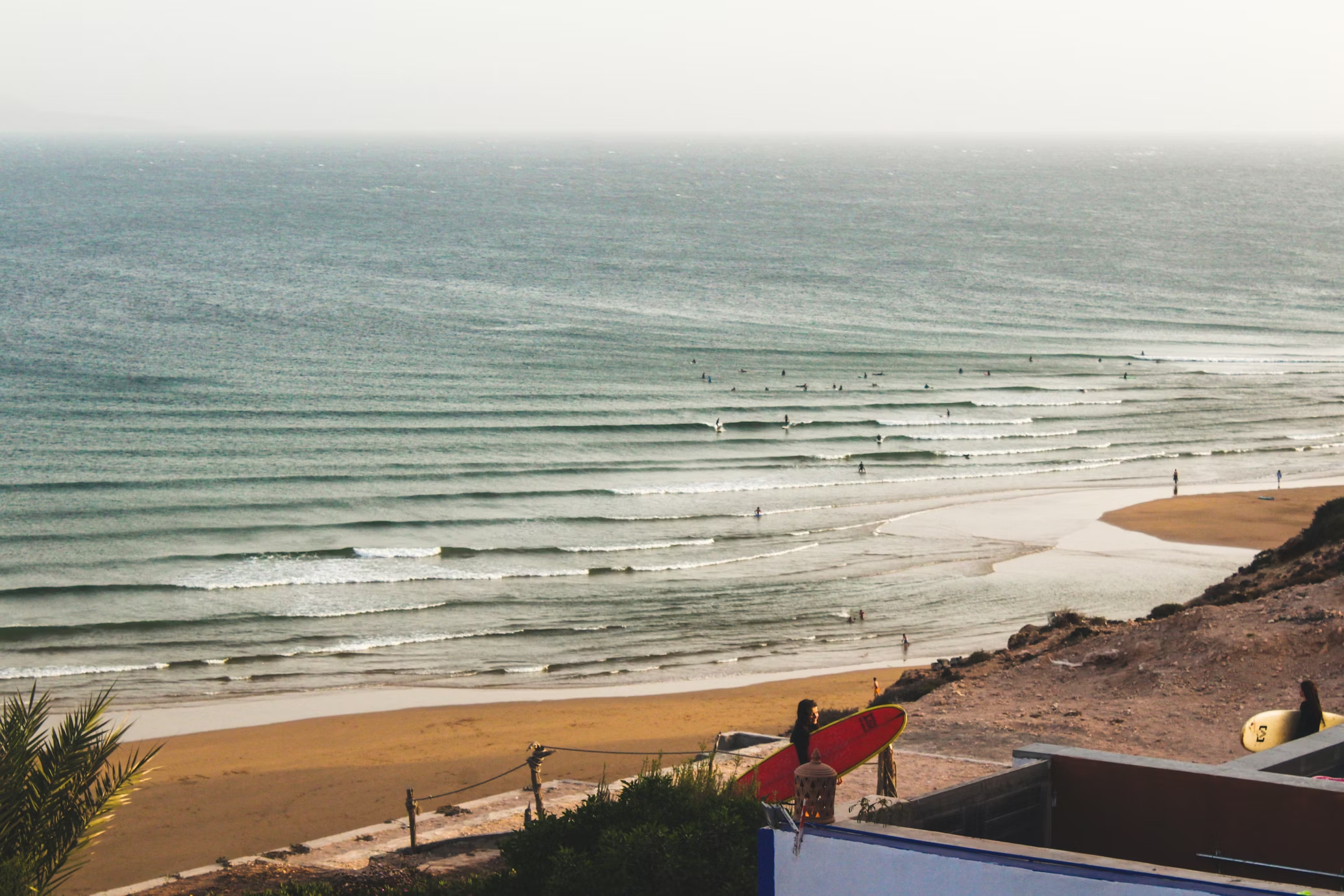
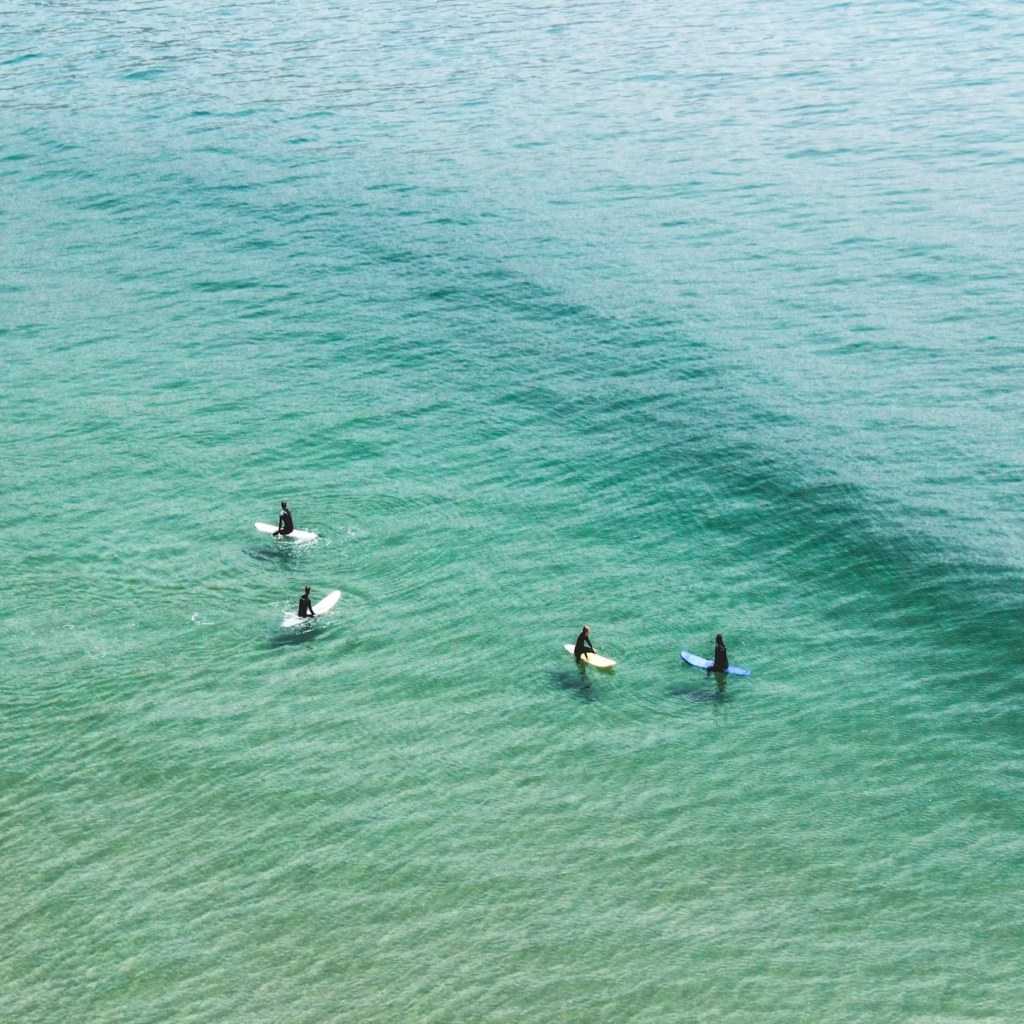
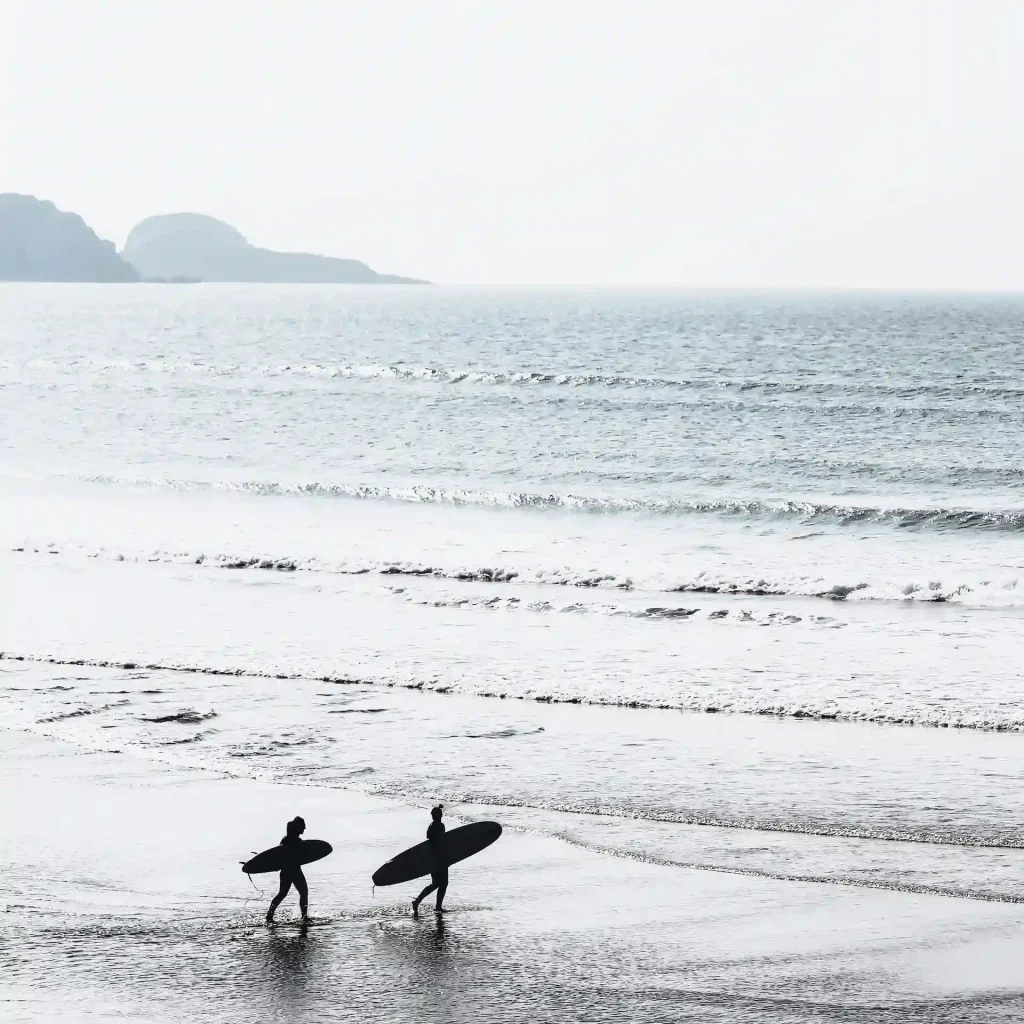
These beaches have gentle waves, sandy bottoms, and safe conditions, perfect for first-time surfers surfing in Morocco.
These spots have more powerful waves, sometimes point breaks, and a little more challenge.
Stronger waves, reef breaks, and longer paddle-outs – for experienced surfers only.
Morocco’s Atlantic coastline receives consistent year-round swell, but conditions vary a lot by season depending on your level and what kind of waves you’re chasing.
Best for: Beginners, intermediate and advanced surfers
Why: Strong North Atlantic swells bring Morocco’s world-famous point breaks to life – especially around Taghazout, Imsouane, and Safi.
Wave size: Medium to large (2–4 m on big days)
Water temperature: 17-19 °C
Air temperature: 18-25 °C (cool mornings and evenings)
Wetsuit: 4/3 mm recommended
Vibe: Peak surf season – buzzing towns, lively surf camps, and ideal conditions for experienced riders as well as beginners and intermediates.
Best for: Beginners to intermediates
Why: The swell softens, waves become more forgiving, and the weather turns beautifully warm.
Wave size: Small to medium (1–2 m)
Water temperature: 18-21 °C
Air temperature: 20-28 °C
Wetsuit: 3/2 mm or shorty
Vibe: Comfortable surf conditions and fewer crowds – perfect balance of good waves and sunshine.
Best for: Beginners, longboarders, and relaxed surf holidays
Why: Smaller, friendlier waves and warm weather make this the easiest time to learn or cruise.
Wave size: Small (0.5-1.5 m)
Water temperature: 20-23 °C (warmest of the year)
Air temperature: 25-35 °C (cooler around Essaouira due to wind)
Wetsuit: 3/2 mm or none on hot days
Vibe: Mellow and sunny – ideal for surf camps, yoga, and easy-going sessions.
Note: Essaouira and Sidi Kaouki are also great for wind and kite surfing during this time.
Best for: All levels, especially intermediates
Why: The first strong swells return, but the weather is still warm and the lineups are quieter than winter.
Wave size: Medium to large (1-3 m)
Water temperature: 19-22 °C
Air temperature: 22-30 °C
Wetsuit: 3/2 mm
Vibe: Many surfers call autumn the “sweet spot” – consistent waves, warm sunshine, and fewer crowds.
Go hiking in Paradise Valley
Sandboard in the Tifnit Dunes
Explore one of Morocco’s largest markets – Suk El Had
Go on a yoga retreat or take a yoga class
Take a moroccan cooking class
Visit Marrakech over a night or two
Treat yourself to a “Hamam” – a local Moroccan massage