lofoten Travel guide

Destination Guide

Welcome to Lofoten

- A place where dramatic peaks, white-sand beaches, and Arctic light come together to create one of the most awe-inspiring landscapes in the world. In this ultimate Lofoten travel guide, you will find everything for a trip of a lifetime!

From hiking along rugged coastlines and kayaking between fjords to exploring charming fishing villages and witnessing the midnight sun or northern lights, Lofoten is a destination like no other. This 2026 ultimate Lofoten travel guide, will walk you through everything you need to know to plan your journey – including must-see spots, local tips, and experiences that capture the essence of this extraordinary corner of the world.

Top 5 places to see in Lofoten

1. Henningsvær

This charming harbor town is famous for its football pitch perched on a rocky islet. Stroll through galleries, sip coffee in cozy cafés, and watch fishing boats come and go.

2. Reine

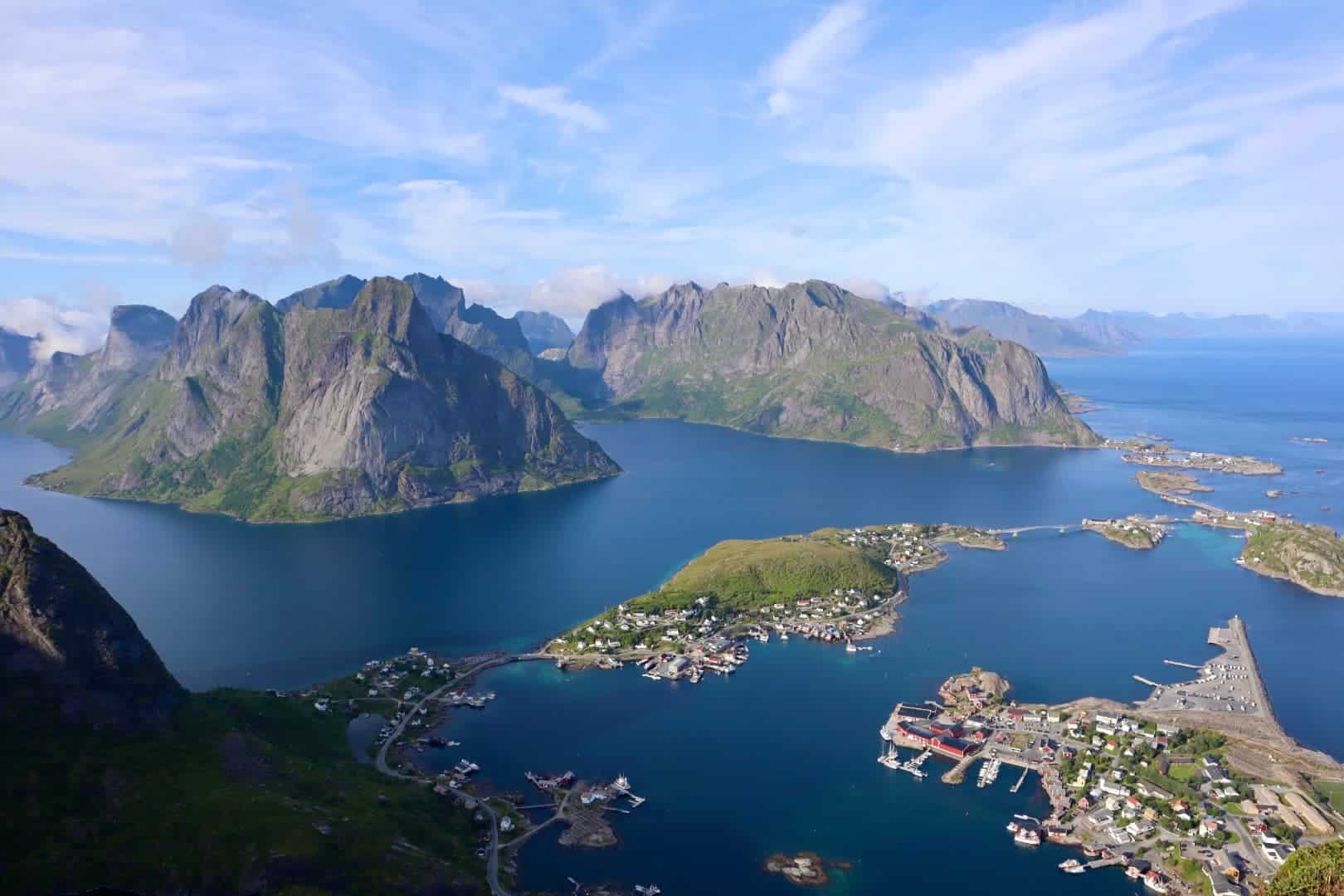
Even if you don’t hike Reinebringen, you should spend time wandering Reine’s narrow streets, taking in its stunning setting of peaks rising straight from the fjord. Morning light here is pure magic.

3. Nusfjord

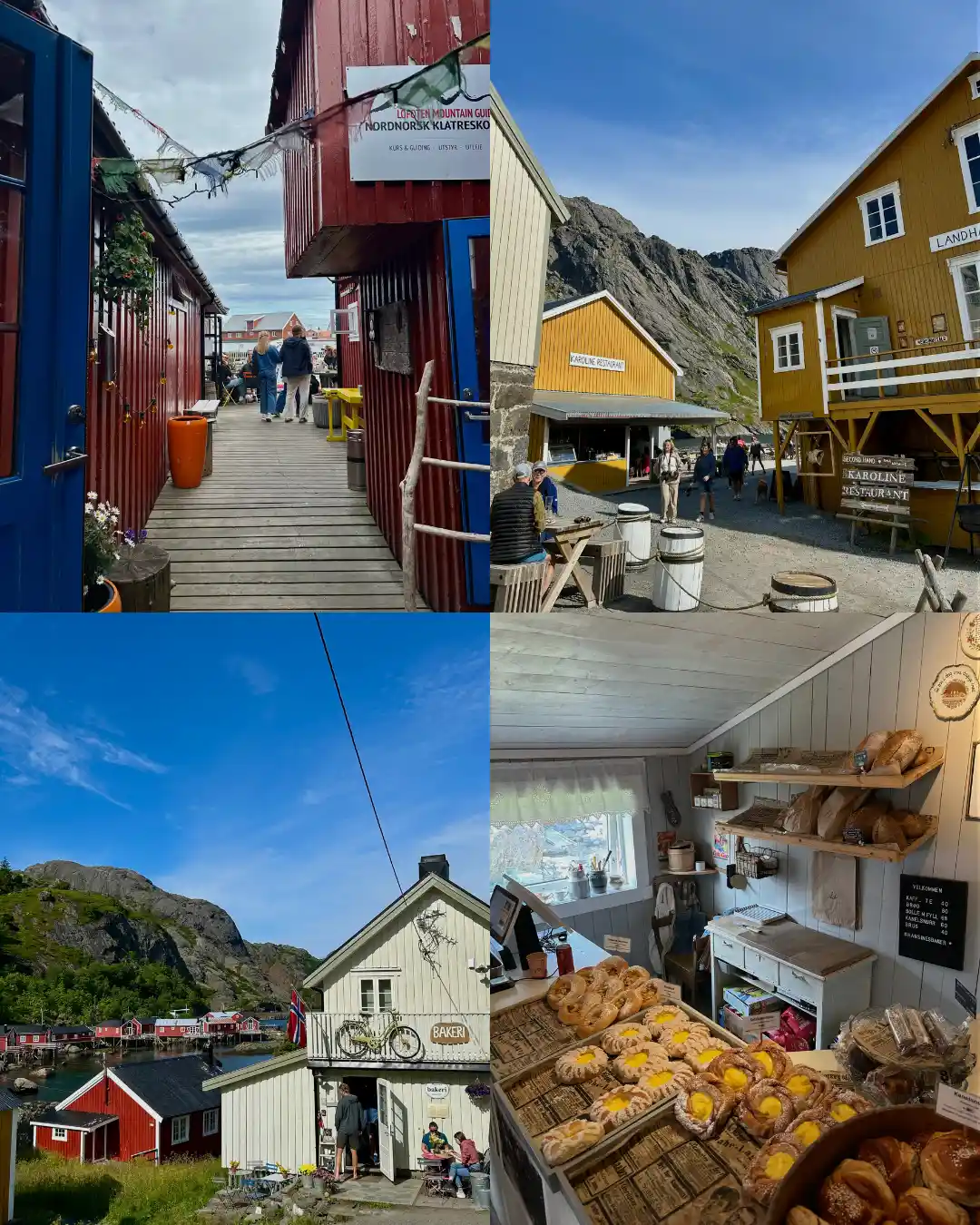
One of Norway’s oldest and best-preserved fishing villages, Nusfjord offers colorful cabins, a working harbor, and a glimpse into Lofoten’s past. It’s small, but the atmosphere is unforgettable.

4. Uttakleiv Beach

Often called Norway’s most romantic beach, Uttakleiv has smooth rocks, soft sand, and dramatic mountain backdrops. It’s especially magical under the midnight sun or the northern lights.

5. Å

Literally the last stop on the E10, Å is a tiny fishing village that feels like stepping back in time. Explore the Norwegian Fishing Village Museum, wander among red rorbuer cabins, and enjoy cinnamon buns from the local bakery.

The Ultimate Lofoten Travel Guide
Beautiful Lofoten
Reinebringen Scenic View

Best Hikes In Lofoten

1. Reinebringen

Short but steep, this hike rewards you with the postcard view of Reine, surrounded by rugged mountains and shimmering fjords. Thanks to newly built stone steps, the trail is now safer and less muddy, though your calves might still complain. You can find the Reinebringen All Trails map here.

2. Festvågtind

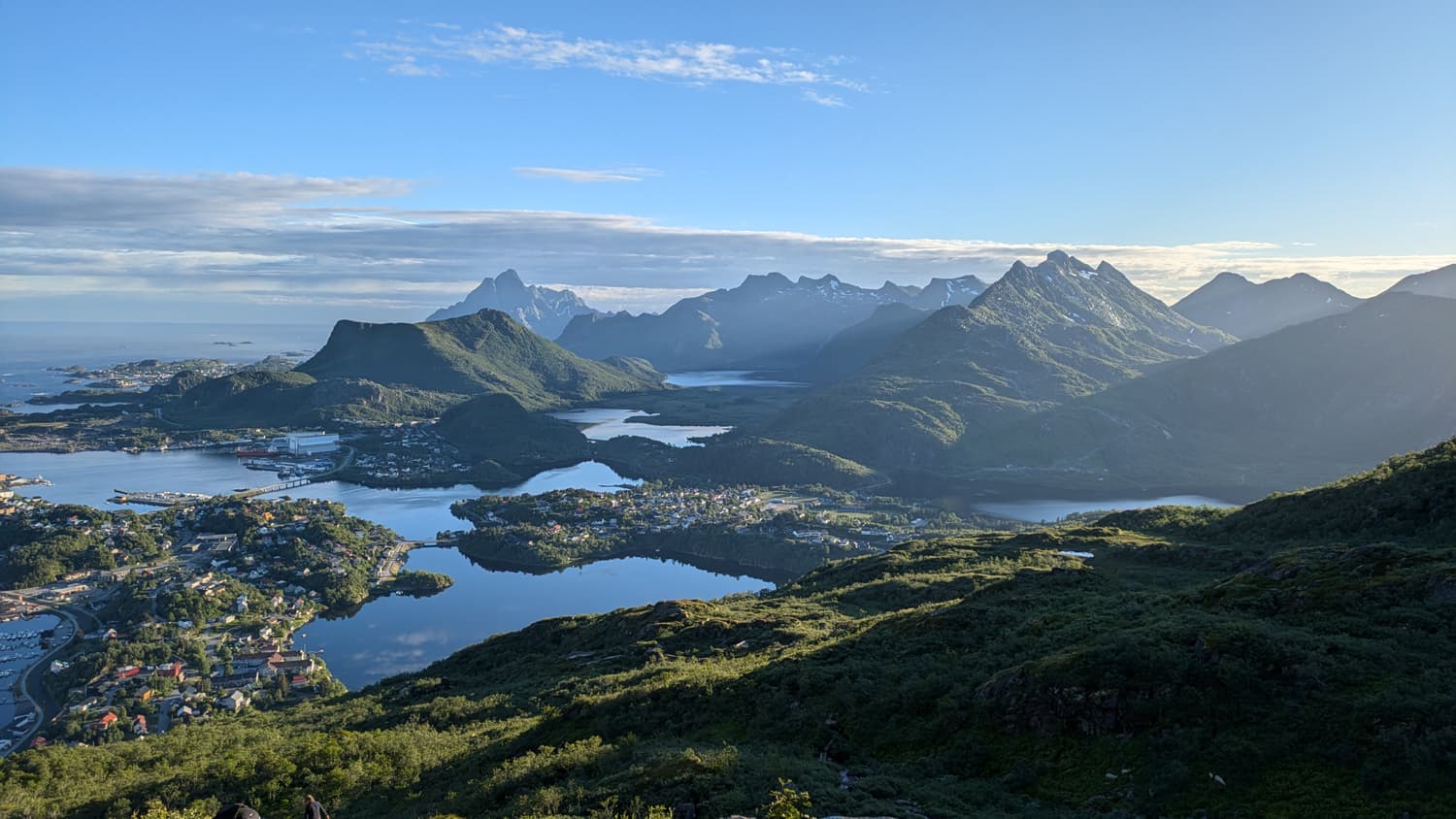
A relatively quick climb with stunning pay-off, Festvågtind offers a bird’s-eye view over Svolvær and the Vestfjord. It’s a great choice if you’re short on time but still want those “how is this even real?” moments. You can find the Festvågtind All Trails map here. 

3. Offersøykammen

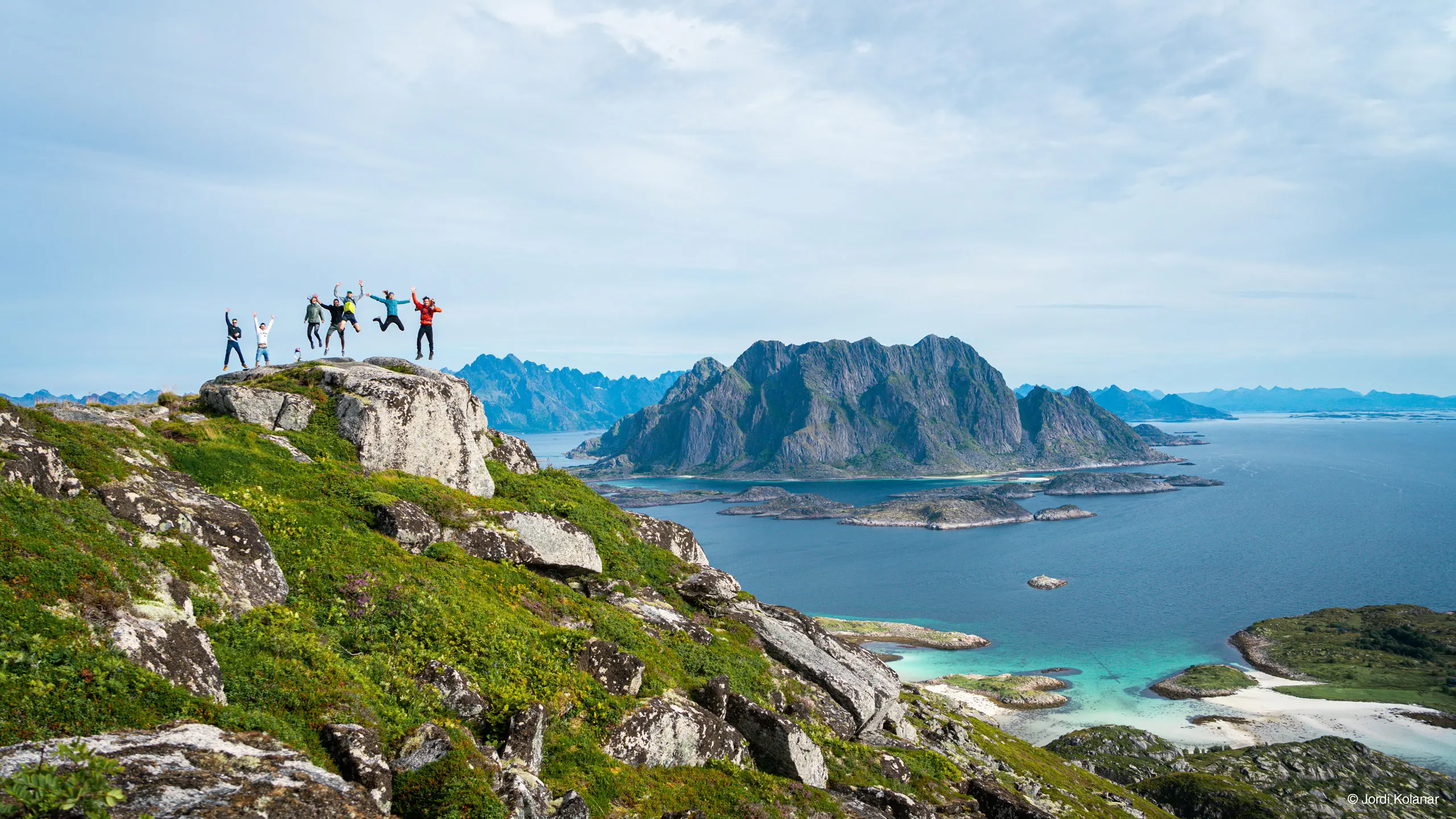
This hike is moderate in effort but huge in rewards. The summit gives you a 360° panorama of turquoise waters, white-sand beaches, and the endless horizon—especially magical during the golden hours of midnight sun. You can find Offersøykammen All Trails map here.

4. Ryten

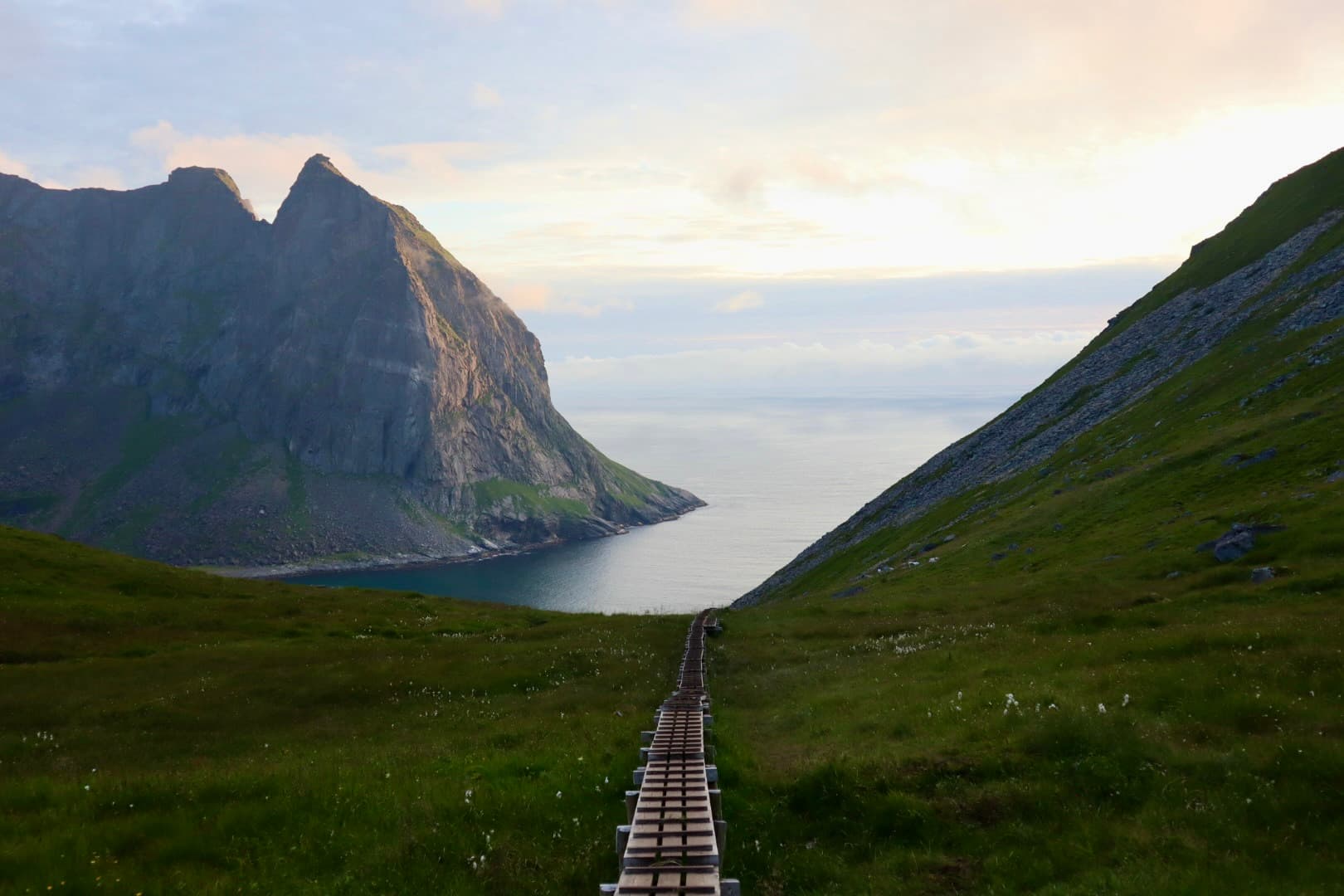
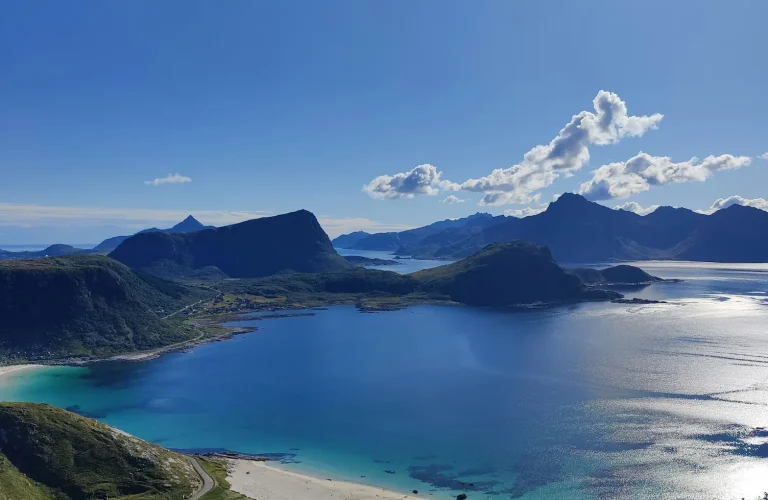
A Lofoten classic. This trail takes you above one of Norway’s most beautiful beaches, with the dramatic drop to Kvalvika making for jaw-dropping photos. The hike is moderate, with plenty of spots to catch your breath and take in the view. You can find the Ryten All Trails map here. 

5. Mannen

Perched between two of Lofoten’s most famous beaches, Mannen delivers incredible scenery in every direction. It’s relatively short but steep, perfect for an afternoon adventure before a beach picnic. You can find the Mannen All Trails Map here. 

Best Beaches to Camp in Lofoten

The Lofoten Islands in Northern Norway might be famous for dramatic mountains and fishing villages, but their beaches are just as spectacular. Imagine turquoise waters, golden or white sands, and rugged peaks rising straight from the sea. Whether you’re looking to surf, hike, relax, or camp under the midnight sun, these beaches have something for everyone.

Know before you go: Norway’s “Right to Roam” law allows wild camping for up to two nights in most uncultivated areas, provided you’re at least 150 meters from the nearest building. However, Lofoten’s growing popularity means some beaches now have camping restrictions or designated areas. Always check local signs and respect nature by leaving no trace.

Kvalvika Beach
Camping in Uttakleiv

1. Kvalvika Beach – Remote Beauty for Hikers and Campers

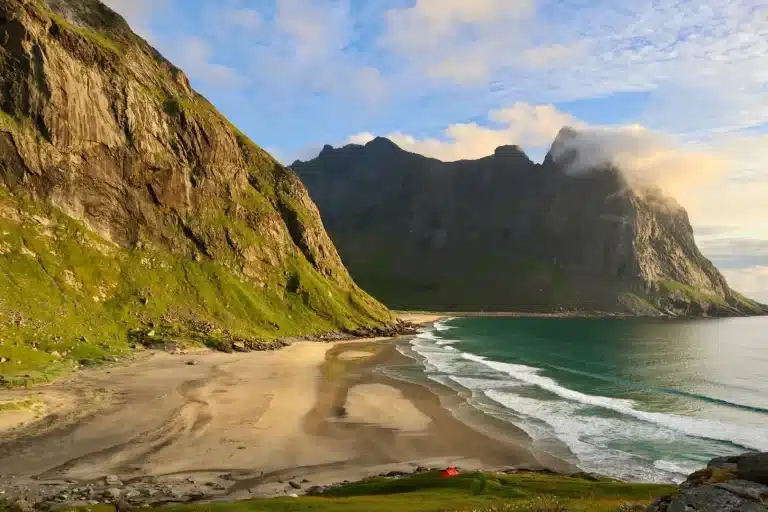
Our personal favourite, tucked between steep mountains and accessible only on foot, Kvalvika Beach feels like a hidden treasure. The hike from either Fredvang or Torsfjord takes about 1–2 hours, rewarding you with sweeping views of the wild bay.

  • Best for: Hikers, wild campers, photographers.
  • Camping: You can wild camp right on the sand or on grassy patches behind the beach. Just follow Leave No Trace principles and expect no facilities, i.e. bring all your ownsupplies.
  • Pro tip: Hit two birds with one stone and Hike Ryten peak above Kvalvika for one of Lofoten’s most iconic views.

2. Uttakleiv Beach – Scenic Coastline and Sheep Society

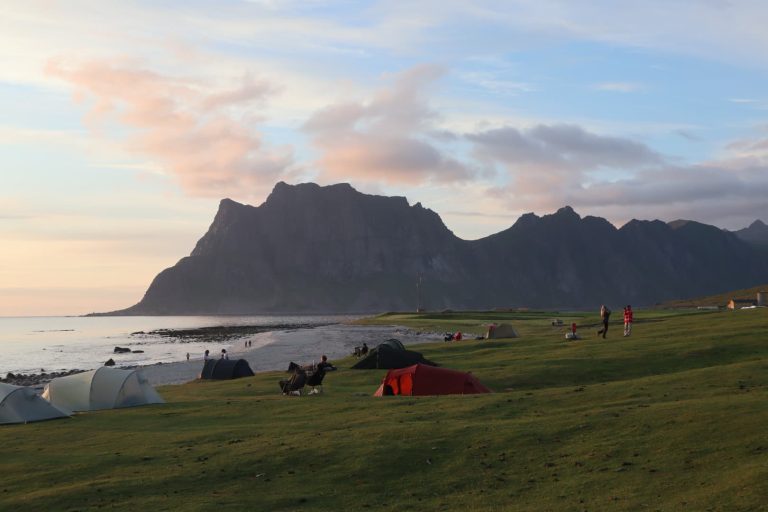
Uttakleiv Beach is famous for its dramatic mountain backdrop, smooth round boulders, and sweeping ocean views. It’s one of the most photographed beaches in Lofoten, but it’s not just tourists who love it – a large local sheep population roams freely here, often joining visitors for sunset walks.

  • Best for: Scenic views, coastal hiking, meeting Lofoten’s friendliest sheep.
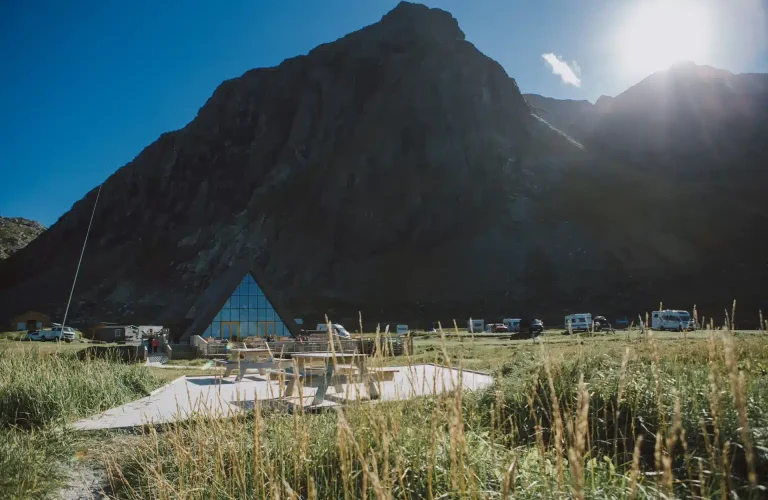
  • Camping: There’s a dedicated campsite right next to the beach with basic facilities (toilets, fresh water). Wild camping is also possible in certain spots outside the fee area.
  • Pro tip: Walk the coastal path to Haukland Beach for a scenic half-day hike – just watch where you step, the sheep aren’t shy about leaving little “souvenirs.”
Haukland
Unstad

3. Haukland Beach – White Sand and Turquoise Waters

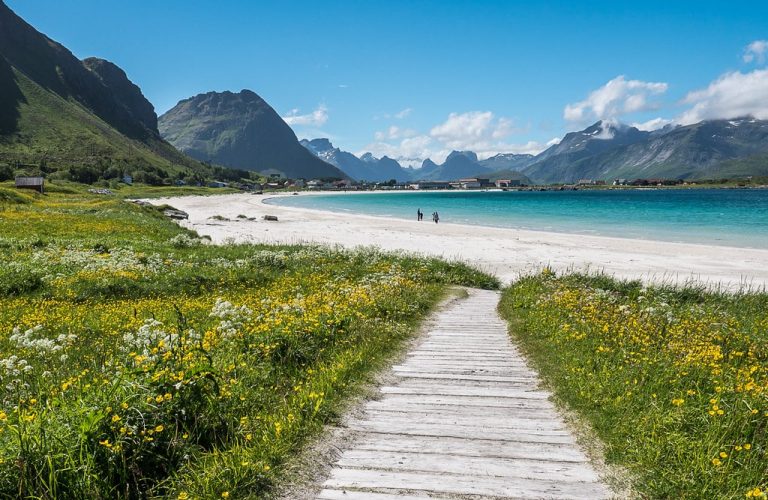
Haukland Beach is often called the most beautiful in Norway, with soft white sand and Caribbean-like colors (minus the tropical warmth!). In summer, the sheltered bay is perfect for swimming — if you don’t mind chilly water.

  • Best for: Families, swimming, picnics.

  • Camping: Yes. There’s a designated area where overnight parking and camping are allowed for a fee. No wild camping directly on the main beach itself.

  • Pro tip: Haukland faces west, so it’s perfect for golden-hour photography.

4. Unstad Beach – Surfing Mecca of the North

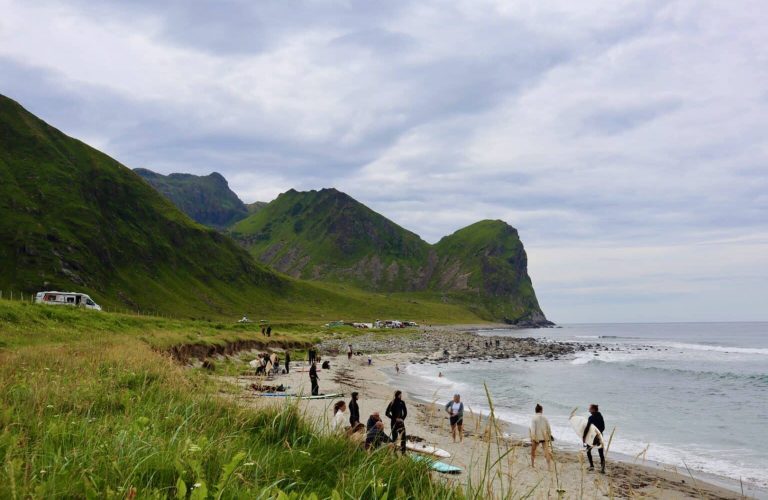
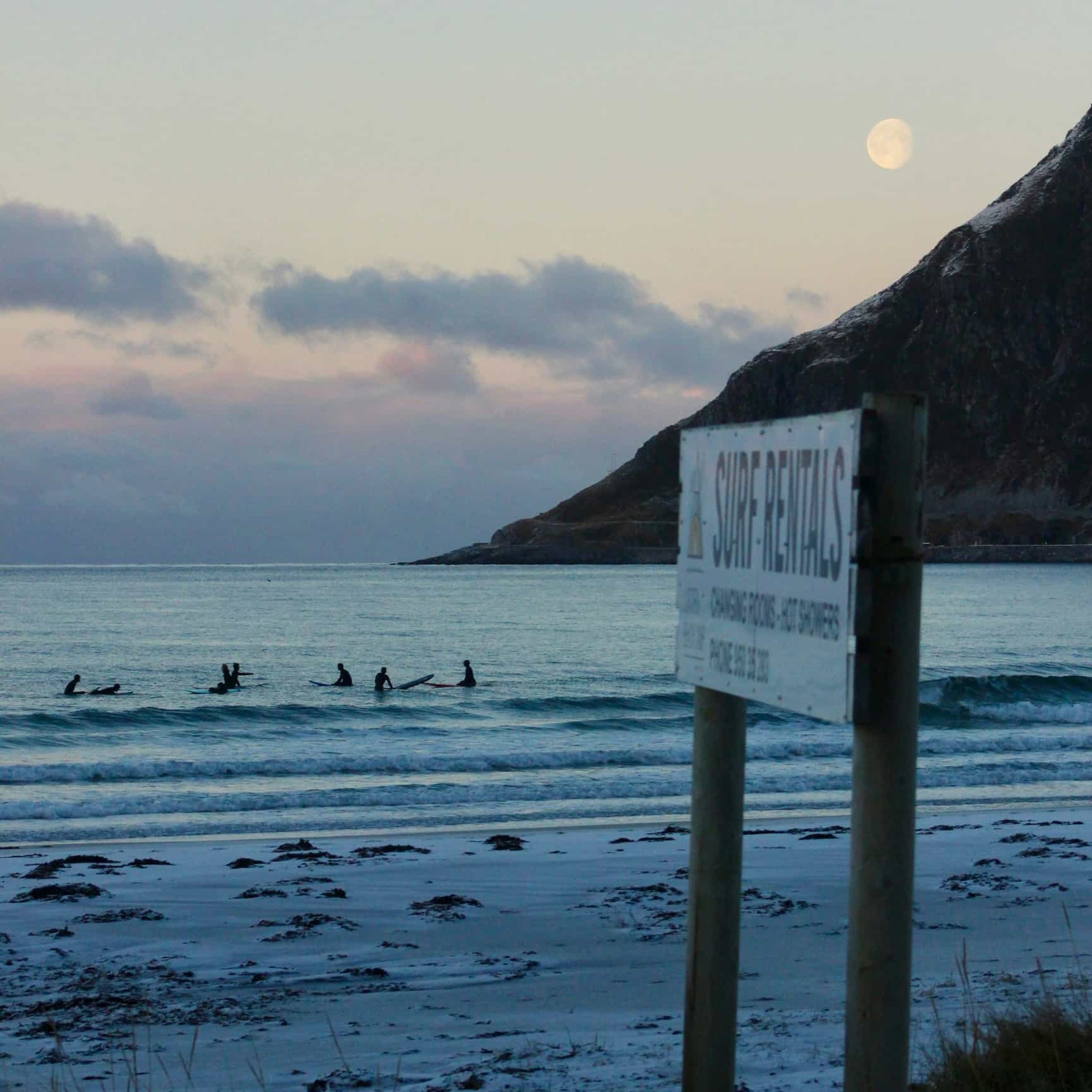
Unstad is world-famous for Arctic surfing, attracting wave riders from all over. The beach is a mix of sand and smooth boulders, surrounded by steep mountains. Even if you’re not surfing, it’s worth visiting just to watch the action.

  • Best for: Surfing, adrenaline seekers, unique experiences.
  • Camping: Unstad Arctic Surf offers camping spots with facilities. Wild camping is possible nearby but stick to established areas to avoid damaging the fragile tundra.
  • Pro tip: Try the local cinnamon buns at the Unstad surf café – they are legendary.
Skagsanden Beach
Ramberg Beach

5. Skagsanden Beach (Flakstad) – Surfer’s Paradise

Located near Flakstad, Skagsanden Beach is famous among Arctic surfers and photographers. Its wide, flat sand is perfect for long walks, and in winter, you might catch the Northern Lights reflecting in tidal pools.

  • Best for: Surfing, winter photography, long walks.
  • Camping: There’s a small parking/camping area with toilets right across the road from the beach. Wild camping on the sand itself is discouraged due to tides and wildlife.
  • Pro tip: Stay at Lofoten Beach Camp right by the shore – you’ll have unbeatable beach access, a front-row seat to the waves, and maybe even a midnight sun or aurora show from your tent.

6. Ramberg Beach – Scenic and Accessible

Right off the main E10 road, Ramberg Beach is a postcard-perfect stretch of golden sand. It’s easily accessible and close to the village, making it a convenient stop on your Lofoten road trip.

  • Best for: Easy access, quick photo stops, short beach strolls.
  • Camping: Ramberg has a camping site with full facilities just steps from the sand. Wild camping right on the beach is not encouraged, but nearby grassy areas are available.
  • Pro tip: Fantastic place to watch the midnight sun in summer.

Best time to visit lofoten

Lofoten is beautiful year-round, but the experience changes dramatically with the seasons.

Summer (June–August) – Midnight sun, mild temperatures, and the best conditions for hiking, kayaking, and camping. Beaches look tropical, but the water still hovers around 10–15°C. Perfect for midnight sun hikes to Reinebringen or Arctic surfing at Unstad. This is also high season, so expect more visitors and book campsites early.

Autumn (September–October) – The crowds thin out, the mountains turn golden, and the Northern Lights start appearing. September still offers decent hiking conditions, while October brings shorter days and a more raw, dramatic atmosphere. Some tourist services and restaurants begin closing for the season, so plan accordingly.

Winter (November–March) – Snow blankets the peaks, the polar night settles in (December–January), and the Northern Lights dance overhead on clear evenings. This is Lofoten at its most dramatic, perfect for aurora hunting, snowshoeing, and photography. Be aware that some mountain trails become dangerous due to ice and avalanche risk, and a few roads may close temporarily. Temperatures range from -2°C to 5°C, but wind chill can make it feel much colder.

Spring (April–May) – The light returns fast, and by late April you get long, golden days without the summer crowds. Snow still lingers on the peaks, creating stunning contrasts with the turquoise sea below. Great for photography, quieter hikes, and catching the tail end of Northern Lights season before the skies get too bright.

How long to stay:
For a relaxed trip that covers beaches, hikes, and a few fishing villages, 5–7 days is ideal. If you want to explore deeply, include remote hikes, or combine Lofoten with other parts of Northern Norway, aim for 10–14 days.


Rorbuer Lofoten
Roadtrip Lofoten

how to get to lofoten

Reaching Lofoten takes some planning, but the journey is part of the adventure. You have several options:

By Air

Lofoten has two small airports: Leknes (LKN) in the middle of the islands and Svolvær (SVJ) in the north. Both are served by Widerøe with connections from Bodø and Tromsø. Flights fill up fast in summer, so book early. Which airport you choose depends on your route — Leknes is a good starting point if you want to explore both directions, while Svolvær puts you right in Lofoten’s “capital.”

If you’re flying on a budget, consider flying to Evenes Airport (Harstad/Narvik), which has more connections and often cheaper fares. From Evenes, the 300-bus runs to Svolvær, departures at 11:05 and 15:05 daily. The ride takes about 3 hours. Book bus tickets at reisnordland.no.

By Ferry

The most scenic way to arrive. The car ferry from Bodø to Moskenes is operated by Torghatten Nord and takes approximately 3.5 hours. This route drops you near Reine in southern Lofoten, perfect if you want to start your trip at the most dramatic end of the islands.

Important: In summer (June-August), book your ferry ticket with car well in advance at torghatten.no, this route sells out regularly. Pedestrians don’t need to pre-book, and the crossing is actually free on foot. Be aware that the ferry can be cancelled during stormy weather, so build some flexibility into your schedule.

You can also take ferries from Skutvik to Svolvær or from Bognes to Lødingen for access to northern Lofoten.

By Car

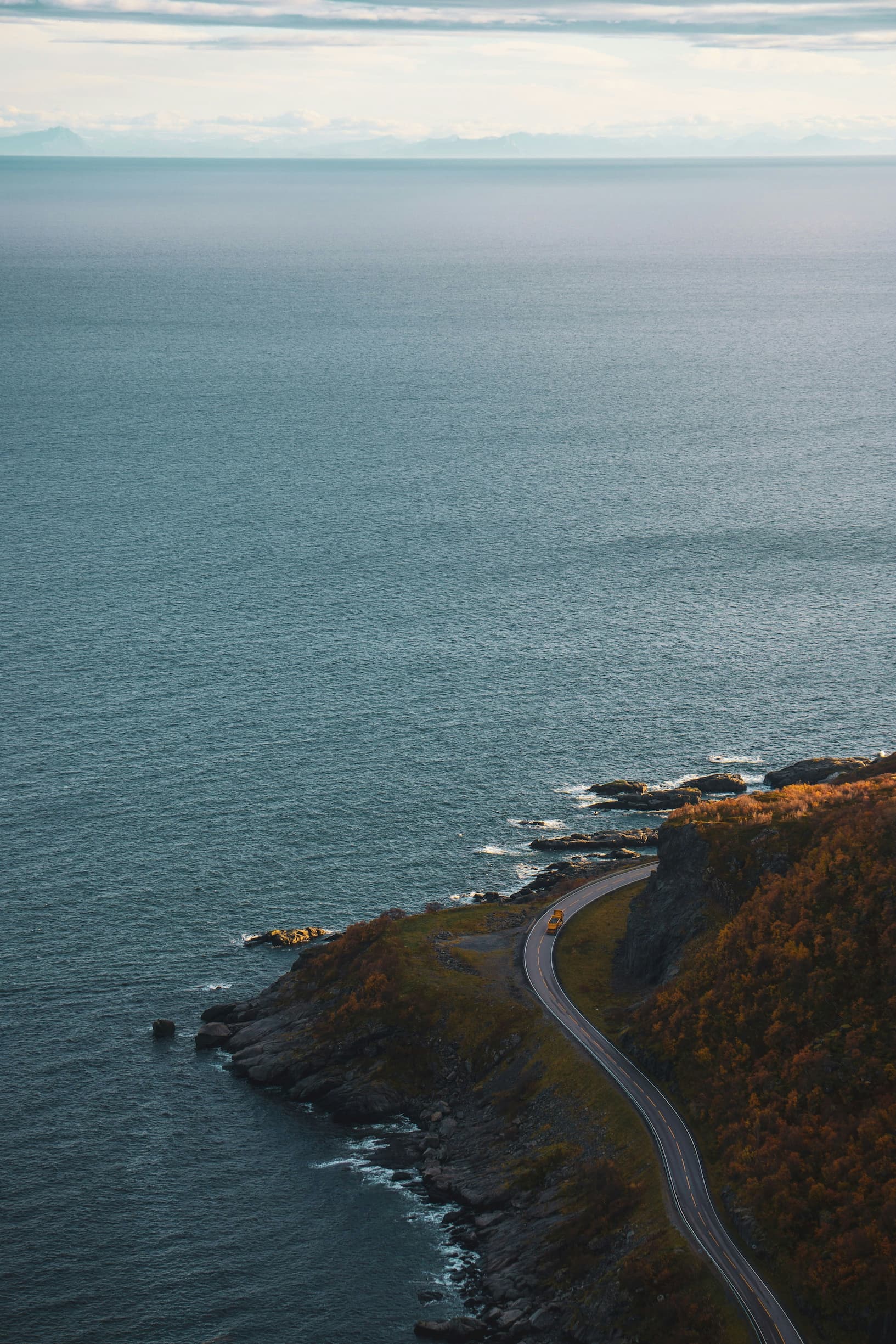
Drive the E10 highway from mainland Norway via the Lofast bridge connection. Many visitors combine driving with a ferry crossing to shorten the route. The E10 is the only road through Lofoten, connecting all the main villages from Svolvær in the north to Å in the south, a drive of about 2.5 hours without stops (though you will stop, constantly).

Do you need a car?

We strongly recommend it. Public transport exists but runs on limited schedules, and many of the best beaches, trailheads, and fishing villages are not on a bus route. If you plan to camp or bring outdoor gear, a car or campervan gives you the freedom to explore at your own pace.

Things to do in lofoten beyond Hiking

Lofoten isn’t just a hiker’s paradise, there’s plenty to experience even on rest days or if you prefer other ways to explore.

Go Rock Climbing in Henningsvær

Henningsvær is one of northern Norway’s top climbing destinations, with granite walls offering routes for all levels right outside the village. Our partner Trad Adventures runs guided courses for beginners and experienced climbers alike. This summer they are hosting Lofoten Climbing Week, a 5-day climbing camp and retreat with small groups, all meals, and accommodation included.

Go Arctic Surfing at Unstad Beach

Lofoten is one of the world’s most unique surf destinations, with waves rolling in beneath dramatic peaks year-round. Unstad Beach is the epicenter, beginners can take lessons at Lofoten Surf Center, while experienced surfers will find consistent swells especially in autumn and winter. Surfing under the midnight sun or northern lights is a bucket-list experience.

Kayak the Fjords around Henningsvær

Paddling through Lofoten’s calm fjords gives you a completely different perspective of the mountains and coastline. Several operators in Henningsvær and Svolvær offer guided kayak tours, ranging from a few hours to full-day adventures.

Go Fishing on a Traditional Boat in Reine

Fishing has shaped Lofoten for centuries, and joining a fishing trip on a traditional wooden boat is one of the best ways to connect with that heritage. Trips typically depart from Svolvær or Reine and last around 3–4 hours, with all equipment provided.

Warm Up in a Seaside Sauna

After a day of exploring, few things beat warming up in a sauna with an ocean view. Our partners at Lofoten Apartments offer a private sauna right by the sea, the perfect way to unwind after a cold-water dip.

Surfing Lofoten
Lofoten Apartments
Black-Aurora-Nook

Where toStay in Lofoten

Accommodation in Lofoten ranges from traditional fisherman’s cabins to modern apartments and wild camping under the open sky. Here’s how to choose.

Our Handpicked Stays in Lofoten

We have partnered with three unique places to stay across the islands, each chosen for its location, character, and the people behind it.

Lofoten Apartments

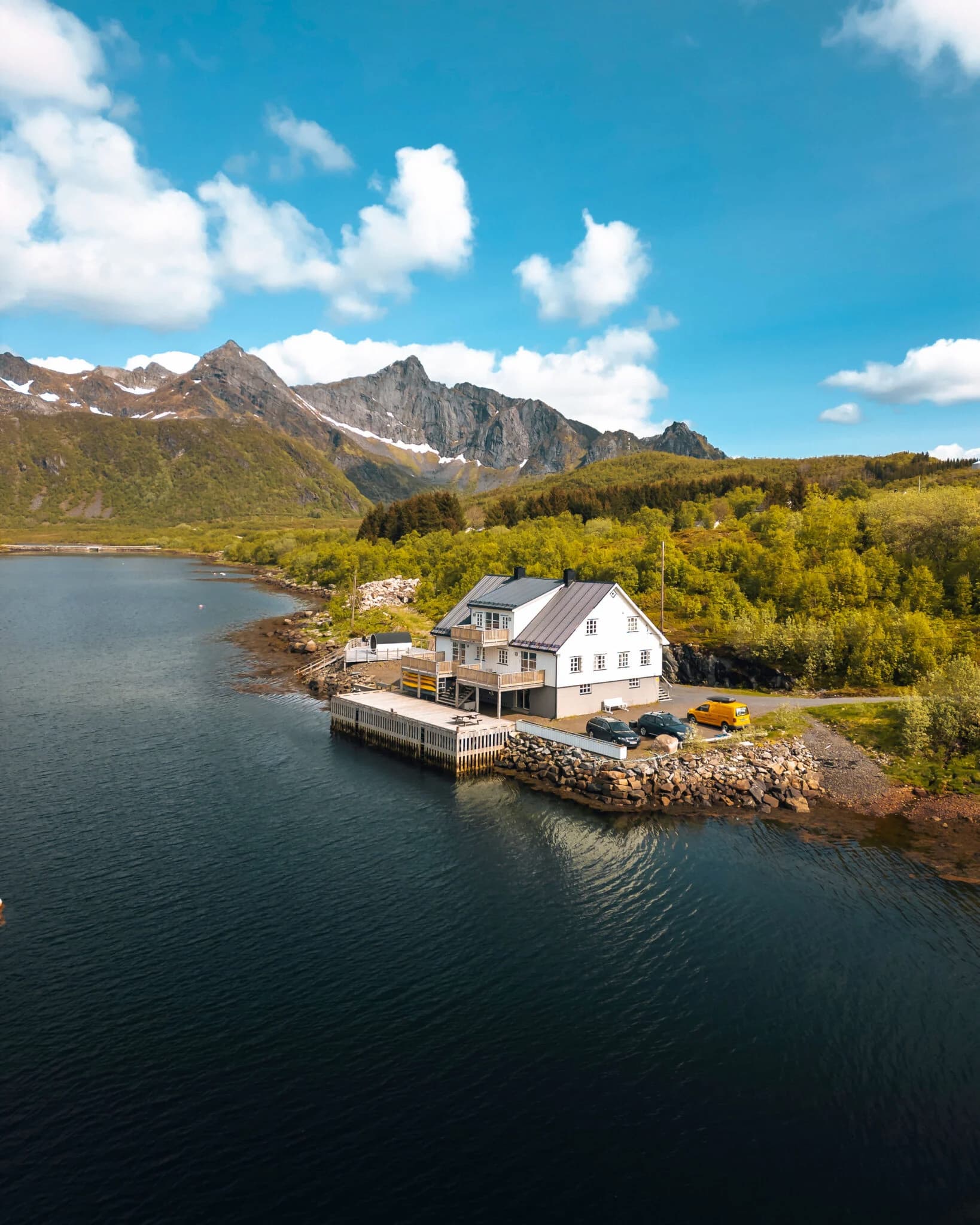
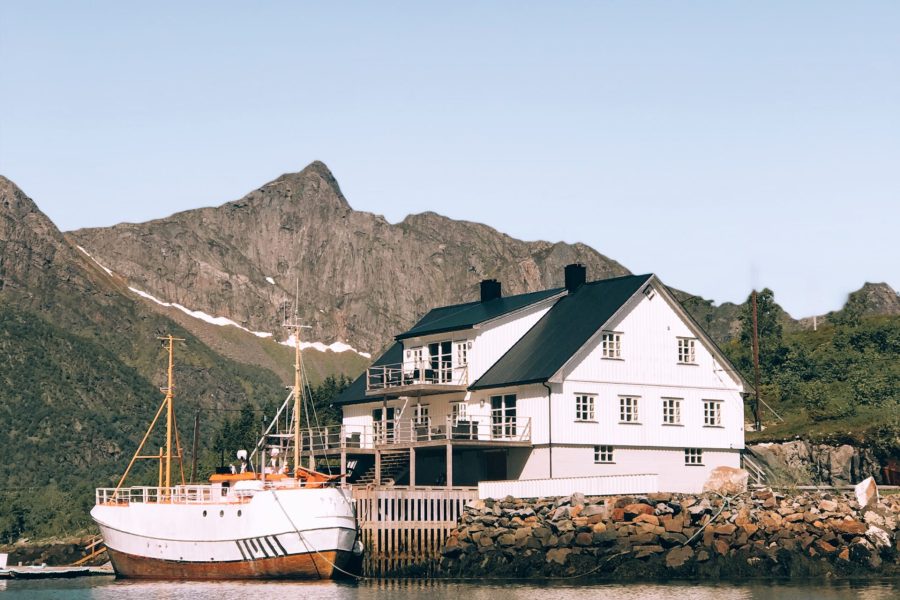
in Hopen, near Henningsvær. A beautiful seaside stay in the heart of Lofoten, with a fully equipped kitchen and access to a private ocean sauna, perfect for warming up after a cold dip or a long day of hiking. Hopen sits between Henningsvær and Svolvær, making it an excellent base for exploring both the charming harbour towns nearby and the dramatic western coastline. The apartments are also where our yoga and hiking retreats are hosted.

Studio Apartment in Henningsvær

In the heart of Lofoten’s most charming harbour town. Henningsvær is known for its galleries, cosy cafés, rock climbing, and kayaking. This apartment puts you right in the middle of it all. A great pick if you want a more cultural, village-centered experience with easy access to restaurants and the local climbing scene. It also works well as a base for day trips across the islands.

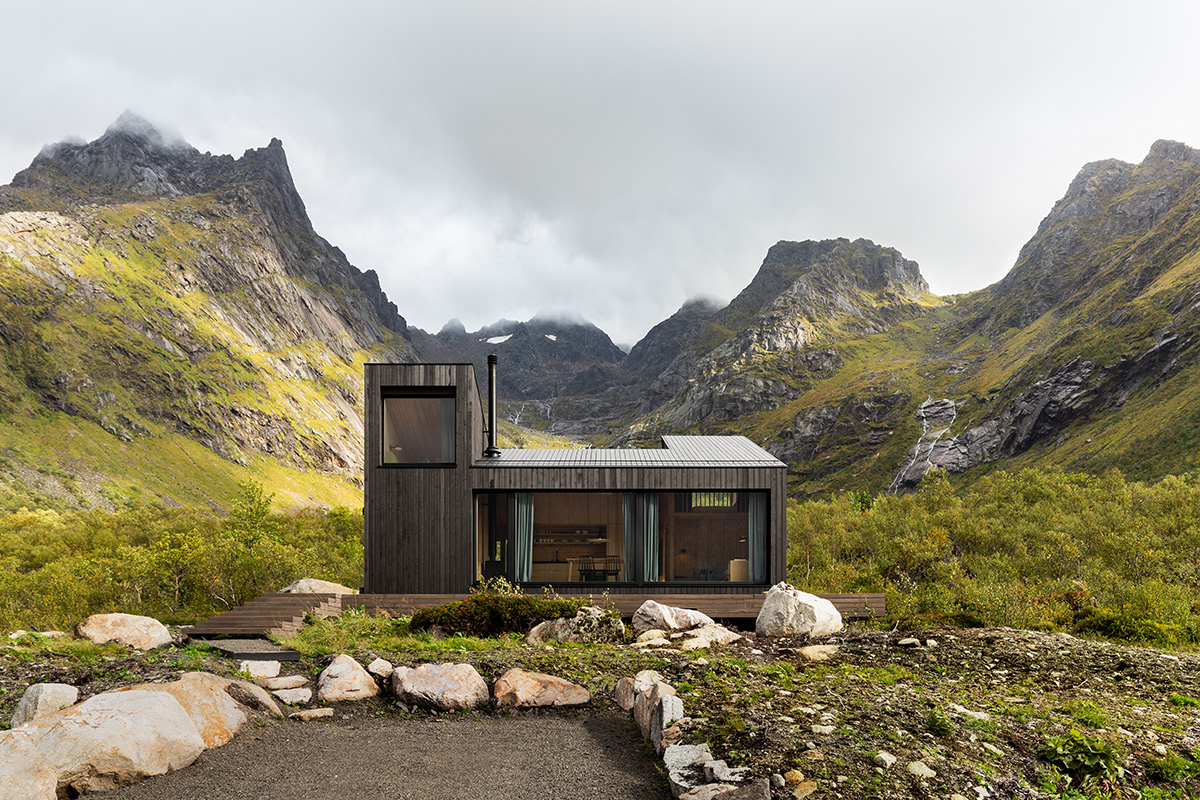
Black Aurora Nook

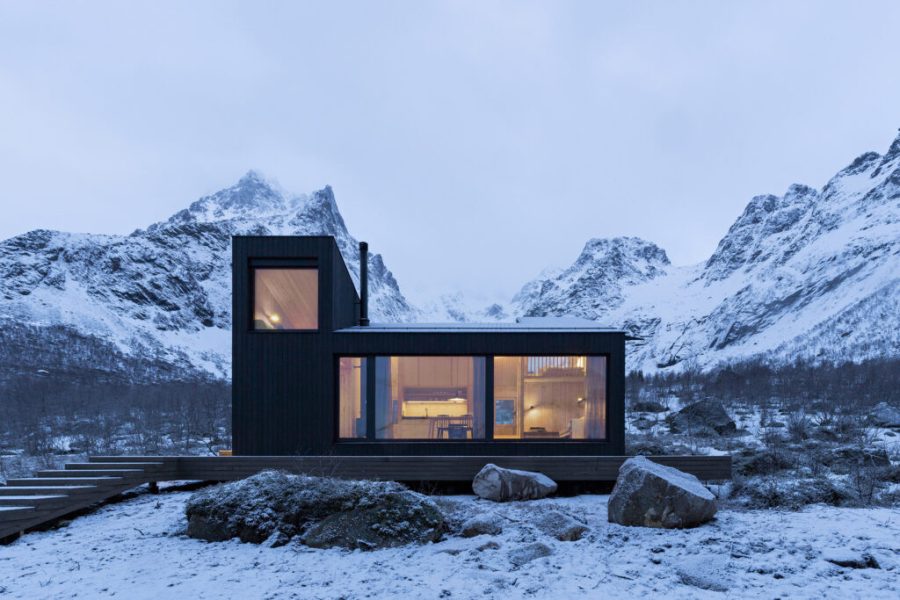
You can find Black Aurora Nook in Laupstad, northern Lofoten. Named for a reason. This secluded cabin sits away from the tourist trail in a quiet, wide-open landscape with minimal light pollution, making it one of the best spots in Lofoten for Northern Lights viewing right from your doorstep. Ideal for those who want peace, a minimalistic design house, and a true off-the-beaten-path experience.

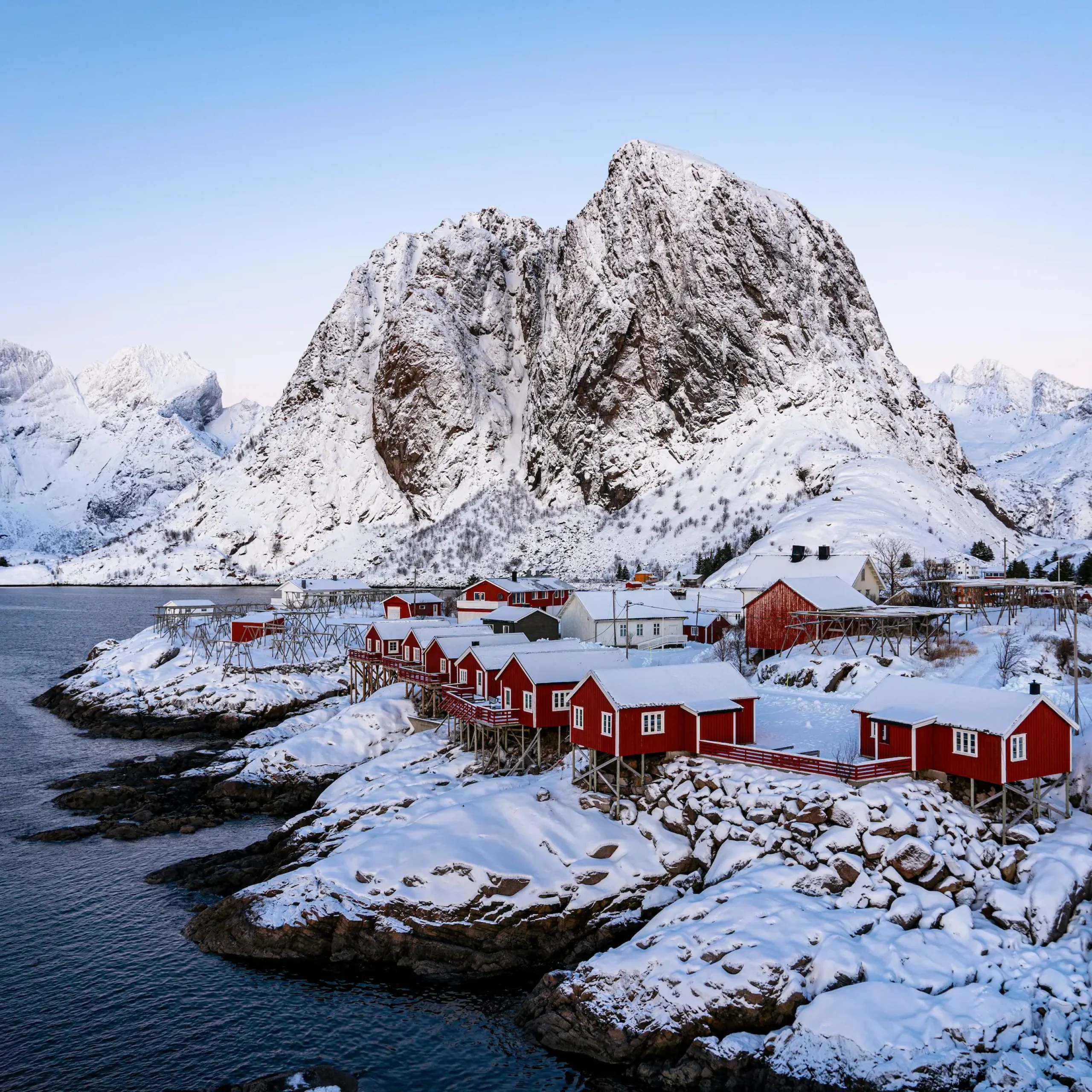
Rorbuer: Lofoten’s Signature Stay

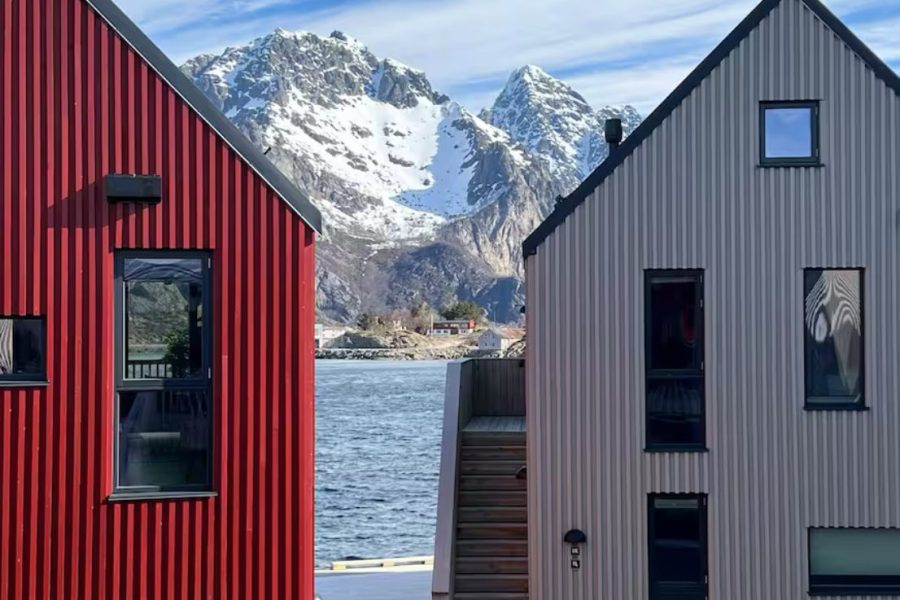
A rorbu is a traditional red wooden cabin originally built for seasonal fishermen. Today, many have been converted into cosy guest cabins, some simple, others modernised with full kitchens and sea views. Staying in a rorbu is one of the most authentic Lofoten experiences you can have.

Budget tip:

Renting a cabin or apartment with a kitchen and cooking your own meals saves a lot in expensive Norway. All three of our partner stays come with kitchen access. Stock up on groceries at Rema 1000 in Leknes, the last large supermarket before you head further west in Lofoten.

Where to eat in lofoten

Lofoten’s food scene is simple but excellent, built around what the sea provides.

Henningsvær has the best café and restaurant scene in Lofoten. Klatrekafeen is the local climbing café where you can grab a coffee and swap stories with climbers between routes. Trevarefabrikken is a creative hub with a restaurant, bar, and gallery all under one roof, set in a beautifully restored former factory. Furu Café serves excellent coffee and light meals in a warm, modern space. For something more atmospheric, Lysstøperiet (the old candle factory) offers food and drinks in one of Henningsvær’s most charming buildings.

Anita’s Seafood in Reine is legendary for its fish burger, made with fresh local catch and served right by the harbour. Simple, no fuss, and a must-stop for anyone passing through the village.

Maritime Munchies is another great seafood option. Perfect for a casual meal when you want something quick, fresh, and local.

Karoline Restaurant offers a more refined dining experience with a menu rooted in local ingredients. A good choice if you want to sit down for a proper dinner after a long day outdoors.

Unstad Arctic Surf is famous beyond its waves. The café here serves what many consider the best cinnamon buns in Lofoten. Even if you are not surfing, it is worth the drive to Unstad just for these.

Hansines Bakeri in Nusfjord is tucked inside one of Norway’s oldest and best preserved fishing villages. The pastries are excellent, and the setting is hard to beat.

Budget tip: Norway is expensive, and restaurant meals in Lofoten typically run 200 to 400 SEK per dish. Save money by cooking in your cabin or rorbu kitchen and shopping at Rema 1000 or Coop in Leknes before heading into the smaller villages where options are limited.

Where to eat in Lofoten
TRAD ADVENTURES-Climbing-svolvaergeita
Hiking Lofoten

Practical tips for your lofoten trip

It’s expensive. Norway is one of the priciest countries in Europe, and Lofoten is no exception. Budget for 150 to 250 SEK per meal at a restaurant, 1 500 to 3 000 SEK per night for accommodation, and around 200 SEK to fill up the car. Cooking your own food and camping are the best ways to keep costs down.

Pack for all seasons in one day.Lofoten’s weather is famously unpredictable. sunshine, rain, and wind can cycle through in hours. Dress in layers: a base layer, insulating mid-layer, and a windproof/waterproof outer shell. Bring good hiking boots regardless of the season.

Check the weather on yr.no. This is the Norwegian Meteorological Institute’s app and the most accurate weather source for Lofoten. Check it daily before heading out.

Mobile coverage is good along the E10 and in the towns, but can be patchy or nonexistent on remote hikes and beaches. Download offline maps (Google Maps or maps.me) before you go.

Respect the nature. Lofoten’s popularity has surged in recent years, putting pressure on fragile Arctic landscapes. Follow Leave No Trace principles: pack out all rubbish, stay on marked trails, avoid trampling vegetation, and camp only in permitted areas.

Mountain safety matters. Several Lofoten hikes involve steep, exposed terrain that becomes genuinely dangerous in wet, icy, or windy conditions. especially in winter. Check trail conditions, tell someone your plans, and don’t underestimate the weather. If in doubt, hire a local guide.

Final Words

Lofoten is one of those places that’s hard to fully describe until you’ve been there. It’s not just about the big hikes or famous viewpoints – it’s the whole vibe. Mountains, ocean, tiny villages, and that feeling of being far away from everything, in a good way.

Our final tip to you is to not stress about ”seeing everything”. Lofoten isn’t really a checklist kind of place. Take it easy, go with the flow, and leave room for random stops along the way. Just be present, respect nature, and enjoy it for what it is. That’s kind of the whole point.

//The Beyond Urban Team

Discover our Stays in Lofoten

Lofoten Apartments

Hopen, Norway

Black Aurora Nook

Laupstad, Norway

Studio Apartment in Henningsvær

Henningsvær, Norway

Discover Our Retreats in Lofoten

Lofoten, Norway

Lofoten Climbing Week | 13-17 July and 12-16 August

0 (No Review)
Lofoten, Norway

October Energy – Yoga & Mountain hikes | 21-25 October 2026

5 (1 Review)
Lofoten, Norway

Women’s Yoga and Hiking Retreat Lofoten | 21-25 May 2026

5 (1 Review)